When 71-year-old Roberto began chatting with a woman online, he felt something he hadn’t felt in years: attention. She called him charming, sent him photos, asked about his past, and told him she admired his “wisdom and kindness.” For a widower living alone, those words felt like warmth after a long winter. Over time, he became comfortable enough to share stories he hadn’t told anyone in decades. She always knew exactly what to say, always responded instantly, and always made him feel important. So when she suggested meeting in person, Roberto didn’t hesitate. He believed he’d finally been given a chance at happiness again.
The meeting spot was unusual—a narrow trail near a rural area on the outskirts of town—but she said she wanted somewhere peaceful, away from crowds. Roberto didn’t want to seem difficult or suspicious, so he agreed. Early that morning, he dressed in his best shirt, sprayed cologne, and even rehearsed what he would say when he saw her. He imagined her smiling, maybe even hugging him. Instead, the moment he stepped onto the trail, everything changed. Two men appeared from behind the bushes, grabbed him, and dragged him deeper into the vegetation before he could cry out.
Roberto’s nightmare began instantly. The men demanded his wallet, his phone, and his bank information. When he said he didn’t know how online banking worked, they became violent. They tied his hands, left him without water under the scorching sun, and threatened him repeatedly. The hours felt endless. He thought of his late wife, his children, and the foolish hope that had led him there. Meanwhile, a worried neighbor noticed Roberto’s door left open and alerted the police. When officers arrived, they found signs he had rushed out—and his phone’s last location pinged near the forest.
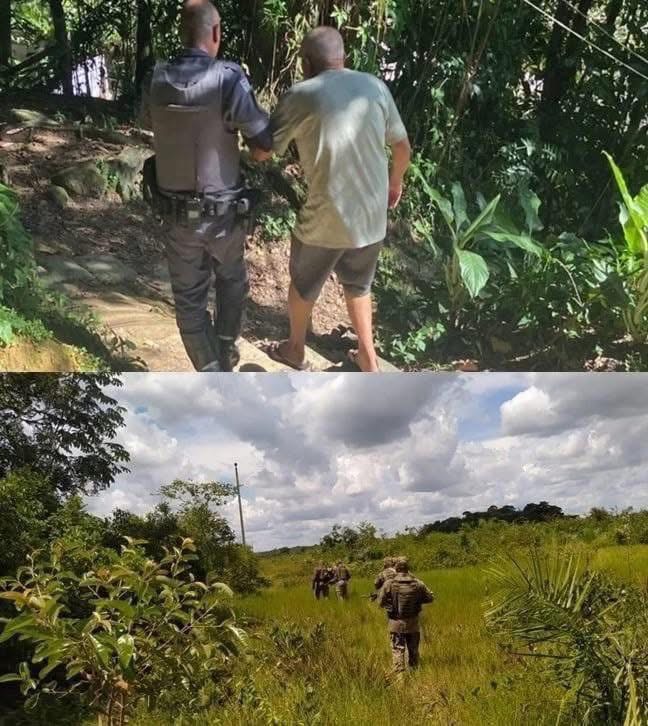
Search teams were deployed immediately. Officers walked through thick brush, calling his name, hoping he was conscious enough to respond. Helicopters circled the area while K9 units traced faint scent trails. Every minute felt heavier; they knew a man Roberto’s age cannot endure harsh conditions for long. After several hours, a faint groan was heard. An officer sprinted toward the sound and found Roberto collapsed under a tree, dehydrated, bruised, and trembling. He whispered, “It wasn’t her… it was all a trick.”
Investigators soon uncovered the truth: the “woman” Roberto had been speaking to never existed. The photos were stolen from a random social-media account, and the messages were sent by a group targeting elderly men who lived alone. They studied their victims carefully, learning their routines and vulnerabilities before luring them to isolated areas. Roberto was their latest target—but he was the first one rescued in time. As officers walked him back to safety, supporting him on both sides, he kept repeating the same sentence: “I just wanted someone to care.”
Authorities are now warning the public to be cautious of online relationships that move too quickly or ask for private information. Roberto survived, but the emotional scars may last longer than the physical ones. His story is a painful reminder that loneliness can make anyone vulnerable—even the strongest, most experienced among us. Yet it is also a reminder of something else: sometimes, one alert neighbor and one fast response from police can make the difference between tragedy and survival.
Leave a Reply