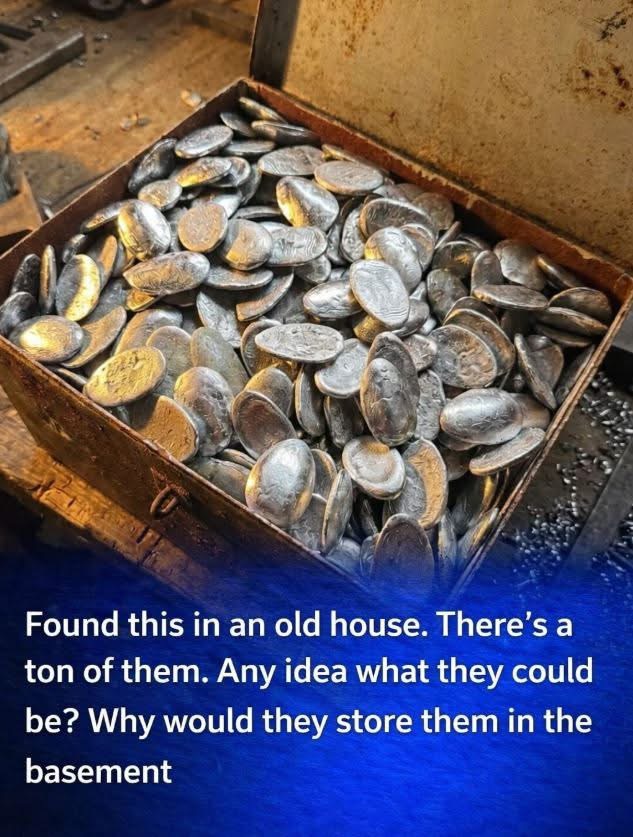
At first glance, it was an easy object to overlook—small, quiet, and unfamiliar among a collection of old belongings. Its shape seemed oddly specific, clearly designed for a purpose that wasn’t immediately obvious. The longer it was examined, the more questions arose: Who made it? Why was it shaped this way? And what role did it once play in everyday life? That single object sparked curiosity and a deeper appreciation for tools from a time when practicality and creativity went hand in hand.
Research revealed that many items we now find puzzling were once essential parts of daily routines. Before modern appliances and digital conveniences, people depended on thoughtfully designed tools to cook, clean, repair, and build. Each feature served a clear function—curved edges improved grip, hollow spaces controlled flow, and simple levers reduced physical effort. What seems unusual today was often a clever solution shaped by necessity and experience.
Leave a Reply