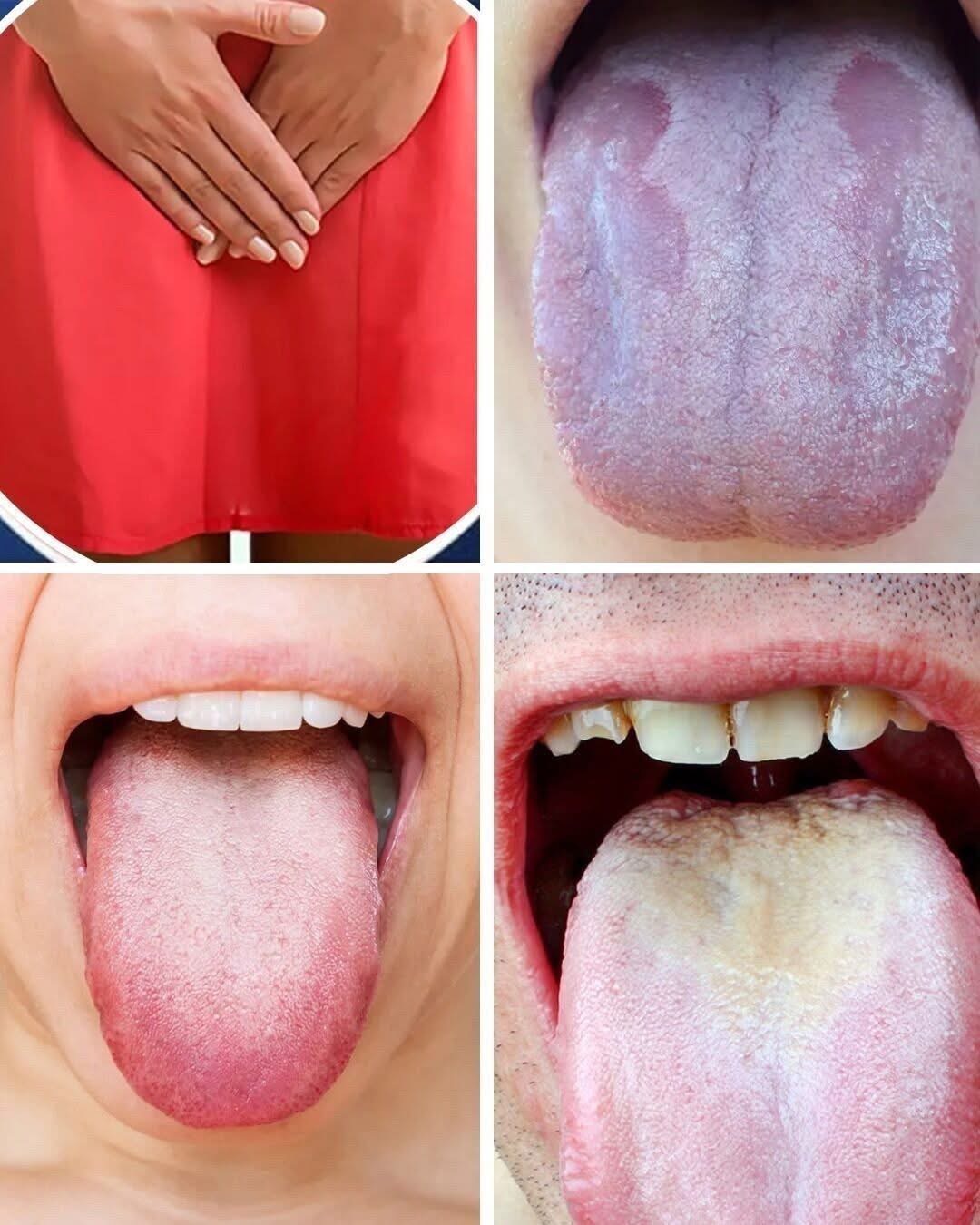
Most people never think to look at their tongue unless something feels wrong, yet it reflects what’s happening inside the body more honestly than many realize. Changes in color, texture, and coating don’t happen randomly. They develop when systems are strained, nutrients are off balance, or digestion isn’t working the way it should. The tongue reacts quickly, often before discomfort turns into something louder. Learning to notice these signs isn’t about fear. It’s about awareness, because the body speaks quietly long before it starts shouting.
A pale or washed-out tongue often points to low energy reserves. When the body struggles to carry oxygen efficiently, tissues lose their healthy color. This can show up as constant fatigue, cold sensitivity, or feeling drained even after rest. Over time, physical stamina drops and recovery slows. The tongue becomes one of the first places this lack of internal support becomes visible, fading from vibrant pink to a dull, almost lifeless tone that signals something deeper is being stretched thin.
A thick white coating usually reflects digestive imbalance. When the gut isn’t processing food efficiently, waste and bacteria can build up, and the tongue mirrors that congestion. This often pairs with bloating, heaviness after meals, or irregular digestion. The coating isn’t just surface residue. It forms when internal cleanup slows down. As digestion improves and balance returns, the tongue typically clears on its own, becoming smoother and more evenly colored without effort.
A deep red or inflamed tongue can indicate internal heat or inflammation. This often shows up alongside irritability, restlessness, headaches, or difficulty sleeping. The body is working overtime, and circulation may be overstimulated. When systems stay in this state too long, exhaustion follows. The tongue’s redness acts as a visible signal that the body is under pressure, pushing harder than it should to maintain balance.
Cracks or fissures across the tongue surface often appear when hydration and nourishment aren’t keeping up with demand. These lines can deepen during periods of stress, dehydration, or nutrient depletion. People with fissured tongues may also notice dry mouth, low focus, or tension that lingers longer than expected. While the cracks themselves aren’t painful, they reflect a body that needs replenishment and steadier internal support to restore resilience.
A yellowish or greasy coating usually points to sluggish processing and overload. This can come with sluggish mornings, foggy thinking, or a heavy feeling that doesn’t lift easily. The body is holding onto more than it should, and the tongue shows that congestion clearly. As internal balance improves, color and texture normalize naturally. The tongue doesn’t lie. It reflects patterns forming beneath the surface, offering clues to what the body has been dealing with long before symptoms demand attention.
Leave a Reply